Renters insurance research desk
Compare renters insurance without losing the details that matter
Use practical worksheets, state guides, claim checklists, and plain-English coverage explanations before you choose a renters policy. The goal is simple: protect your belongings, liability, and temporary housing budget with fewer surprises.
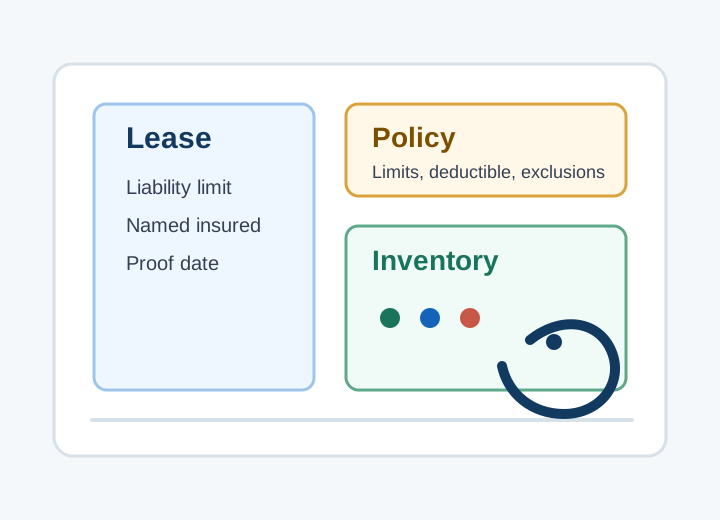
Start with the four policy parts
Browse the library
Guides built around real tenant questions
Most renters do not need complicated insurance language first. They need to know what the landlord policy does not cover, how much property coverage to choose, and what documents help after a loss.
A calmer way to compare quotes
Do not compare only the monthly price. Put each quote beside the same limits, deductible, replacement cost option, personal property sublimits, liability limit, and temporary housing language.
Keep your lease handy as well. Many apartments require proof of insurance, a minimum liability limit, or an interested party notice for the property manager.
Before buying
- Estimate belongings by room, not by memory.
- Ask how flood and earthquake are handled.
- Check whether roommates need separate policies.
- Save a copy of the declarations page.
Reference Sources
Use public insurance resources and your policy documents to confirm definitions, consumer contacts, and coverage limits before buying or filing a claim.